
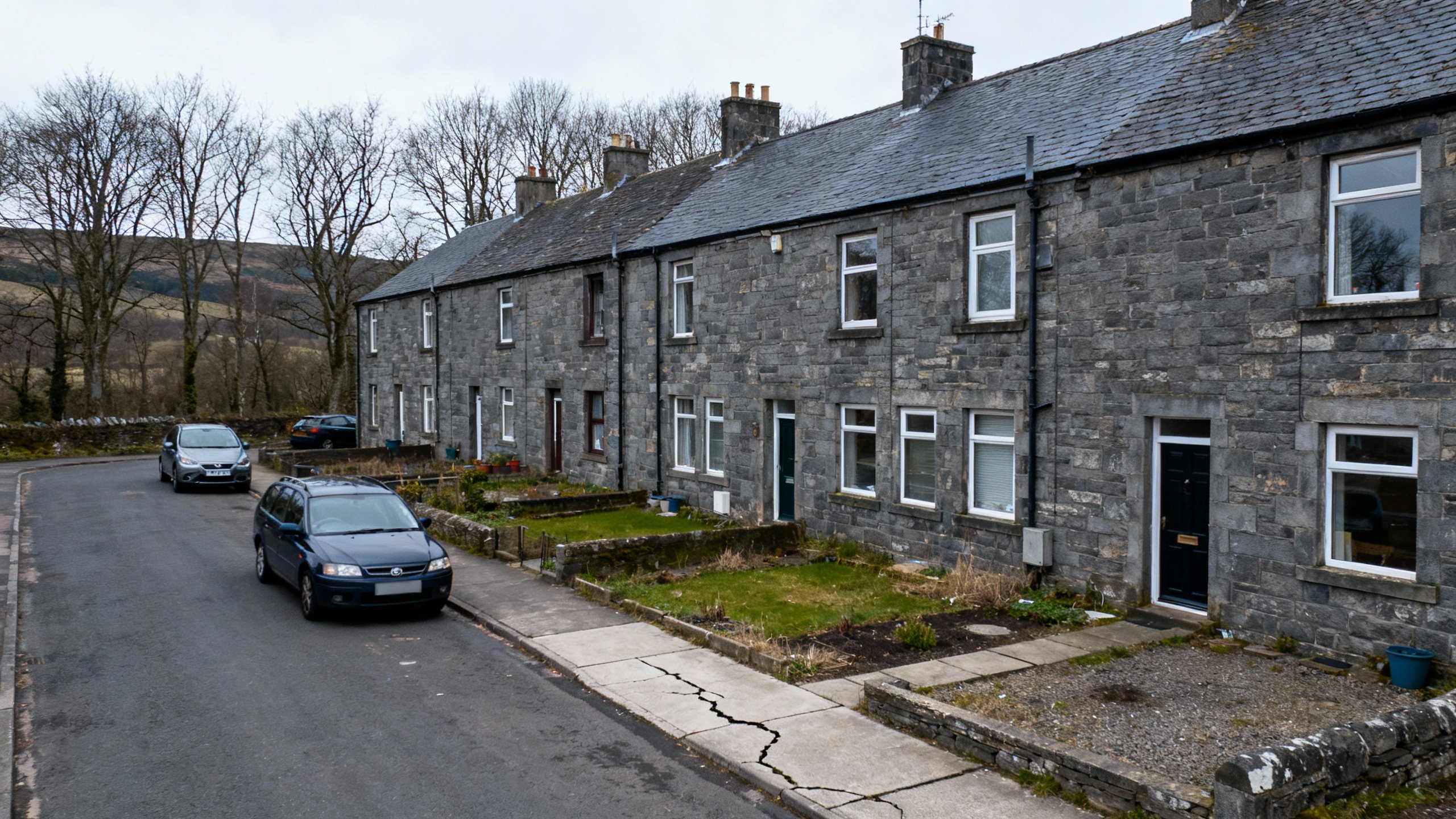
Property asking prices increased most significantly in areas priced below the national average during 2025, with locations in northern England and Scotland recording the highest growth rates, according to data released by Rightmove.
Analysis of the top 50 locations for asking price growth shows only seven are priced above the current national average of £368,031.
Regional performance
Hawick in Roxburghshire, Scottish Borders, recorded the highest asking price growth during 2025, with average prices rising 18% to £148,633. Durham followed with a 15% increase to £251,339, whilst Stannington in Sheffield saw prices rise 12% to £264,078.
The data indicates suburban areas with transport connections to city centres experienced notable price increases. Locations on the outskirts of Leeds, Sheffield, Liverpool, Newcastle, Hull and Glasgow all recorded significant growth.
Market dynamics
Colleen Babcock, property expert at Rightmove, stated: “There is typically a larger pool of buyers who are looking to move within more affordable price brackets. Therefore, locations with more homes that fall under the average asking price can see more demand from buyers, and that underpins house price growth in those areas.”
Dan Mirfin, branch manager at Manning Stainton Beeston in Leeds, noted that Beeston “remains comparatively good value for money for first-time buyers, particularly when compared to more established suburbs closer to the city centre, while still offering excellent transport links into Leeds.” He added that investors continue to show interest, with Beeston delivering “some of the strongest rental yields in the city”.
John Baybut, managing director at Berkeley Shaw Real Estate in Liverpool, attributed growth in Anfield to regeneration linked to Liverpool Football Club’s commitment to the area, stating that “lots of short-term lets are seeing high yields” for investors.
Market outlook
The concentration of price growth in areas below the national average suggests affordability constraints are driving buyer activity towards lower-priced markets. The trend towards suburban locations with city access reflects changing priorities among buyers seeking value whilst maintaining connectivity to employment centres.