
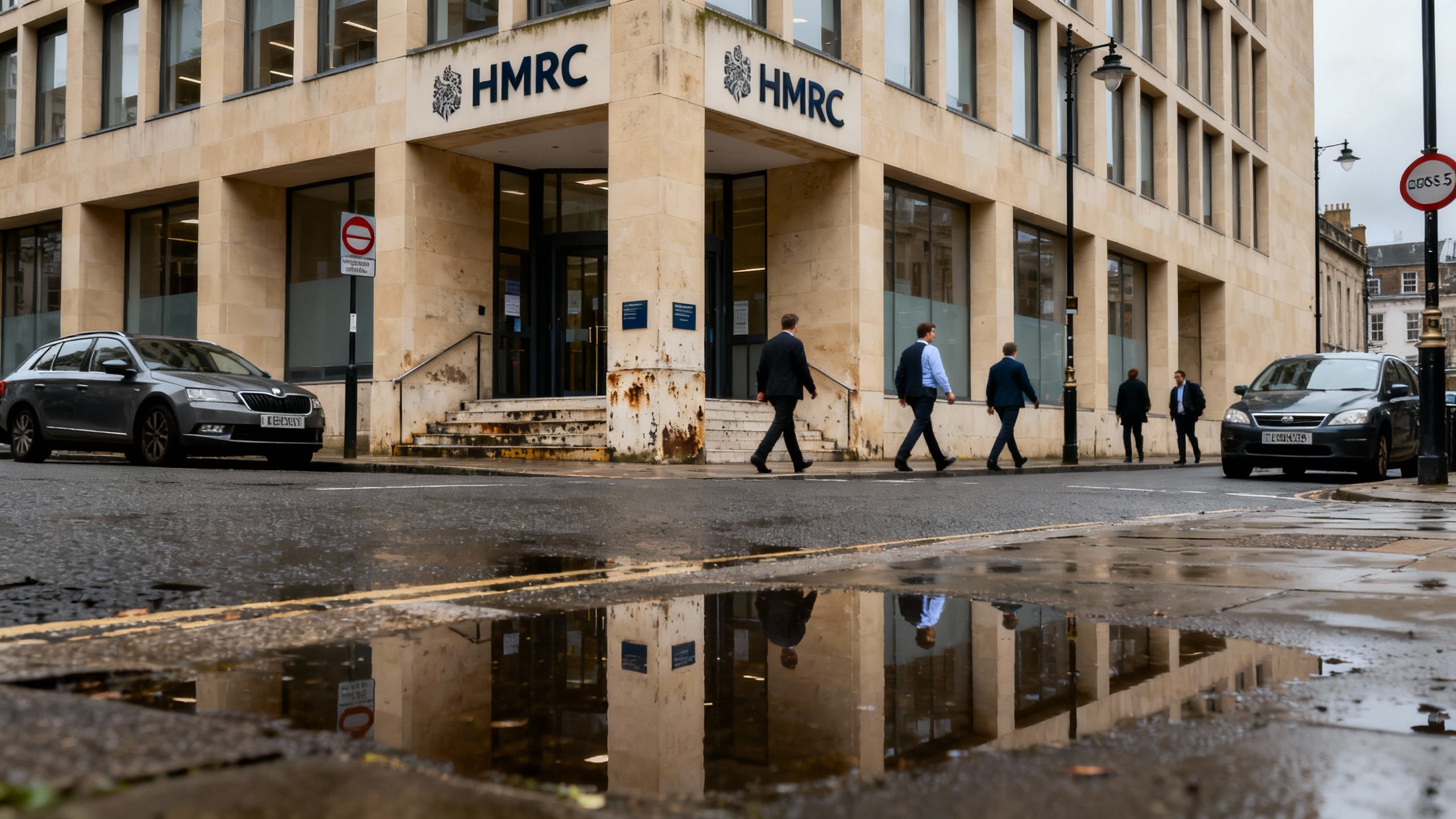
HMRC investigated more than 3,000 taxpayers for stamp duty avoidance in 2024-25, representing a near doubling from 1,617 investigations in the previous year, according to data reported by The Telegraph.
The tax authority recovered an average of £66,000 per case during the most recent period, generating £201 million for the Treasury. This compares to £85.4 million recovered in 2023-24.
Self-declaration system under scrutiny
The increase in investigations follows concerns over the current system, where stamp duty is largely self-declared and refunds can be paid before full eligibility checks are completed. HMRC has the authority to claw back refunds if it later determines no repayment was due, potentially adding penalties.
Stamp duty applies to property purchases above £125,000, or £300,000 for first-time buyers, with rates ranging from 2% to 12%. Second-home buyers face an additional 5% surcharge, which can complicate returns and increase the risk of errors.
Legitimate refund scenarios
Valid reasons for stamp duty refunds include errors in original returns, or cases where buyers pay the second-home surcharge but sell their previous main residence within three years. Non-UK residents who subsequently become UK residents may also qualify for refunds.
However, HMRC has issued warnings about what it terms “rogue repayment agents” offering no-win-no-fee claims services online. According to tax expert Mike Warburton, some agents have been pursuing speculative claims based on relatively minor property issues such as the need for a new kitchen or rewiring, arguing properties were not habitable.
“If a claim is inaccurate, people could end up paying more than the amount they were trying to recover,” HMRC stated.
Political context
The enforcement drive comes after Angela Rayner resigned as Deputy Prime Minister last year following revelations she had underpaid stamp duty by tens of thousands of pounds on a Hove flat. Rayner stated she had incorrectly believed she qualified for an exemption from higher rates on second homes.
The increased scrutiny suggests HMRC is tightening oversight of stamp duty compliance, with implications for property buyers and investors navigating the tax system. The doubling of investigations indicates a more aggressive approach to revenue collection in this area.