
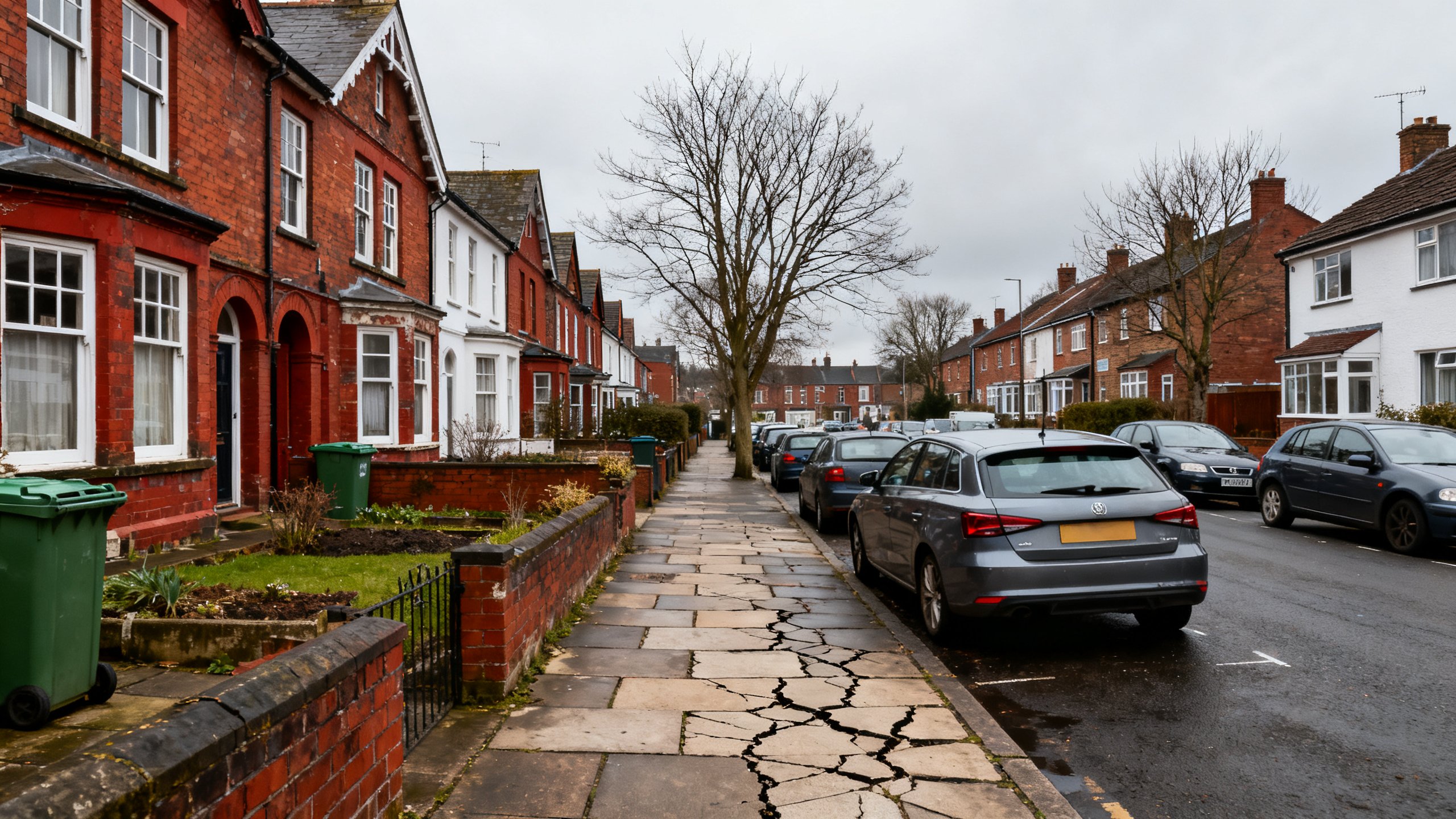
The average UK house price reached £300,077 in January, marking the first time the threshold has been exceeded, according to data from Halifax. The figure represents a 0.7% monthly increase and 1% annual growth.
The monthly rise was the fastest since November 2024, when prices increased by 1.1%. Halifax, part of Lloyds Banking Group, Britain’s largest mortgage lender, based its estimate on approximately 15,000 monthly mortgage approvals.
Nationwide Building Society, which also releases monthly house price data, reported a lower average of £270,873. The difference stems from variations in methodology, with both lenders using their own mortgage approval data. Neither estimate includes cash transactions, which account for 30% to 40% of sales, and Nationwide excludes buy-to-let purchases.
Recovery from December decline
The January figures mark a recovery from December, when prices fell 0.5% month-on-month. Halifax has since revised that figure down from an initial estimate of 0.2%.
Amanda Bryden, head of mortgages at Halifax, said: “The housing market entered 2026 on a steady footing. While [£300,000] is undoubtedly a milestone figure, and activity levels show a resilient market, affordability remains a challenge for many would-be buyers. All in all, we still think house prices are likely to edge up between 1% and 3% this year.”
Nationwide forecast in January that average UK house prices would rise between 2% and 4% in 2026.
Regional variations
Northern Ireland recorded the strongest annual growth at 5.9%, with average prices reaching £217,206. Scotland followed with 5.4% growth and an average price of £221,711. Wales showed 0.5% annual growth, with properties averaging £228,415.
In England, the north-west led regional growth at 2.1%, where the average home costs £244,329.
Interest rate impact
The Bank of England maintained its base rate at 3.75% on Thursday, citing persistent inflation concerns. However, the 5-4 vote split has prompted analysts to anticipate further cuts in coming months. The Monetary Policy Committee has reduced rates six times since mid-2024.
Karen Noye, a mortgage expert at Quilter, said: “Looking ahead, much will depend on whether the expected rate cuts later this year materialise. If they do, the impact is more likely to be gradual support for affordability rather than a sudden jump in prices.”
Anthony Codling, an analyst at RBC Capital Markets, noted: “While housing affordability is stretched for many, rising wages, falling mortgage rates and the easing of mortgage lending limits have all contributed to rising house prices at a national level.”
Three-year perspective
Property prices have increased by 5.7%, approximately £16,000, over the past three years. Between 2020 and 2023, prices climbed nearly 19%, over £44,000, driven by low borrowing costs and pandemic-related demand for larger properties.
The current growth trajectory remains modest compared to the pandemic period, as higher interest rates and affordability constraints continue to influence market activity. Market observers expect stability rather than significant price acceleration in the near term.